Collections – Wine

Cart

Your cart is empty

Skip to content

World of Wine

The Shape of Taste.

The glass doesn't just hold the wine. It frames it.

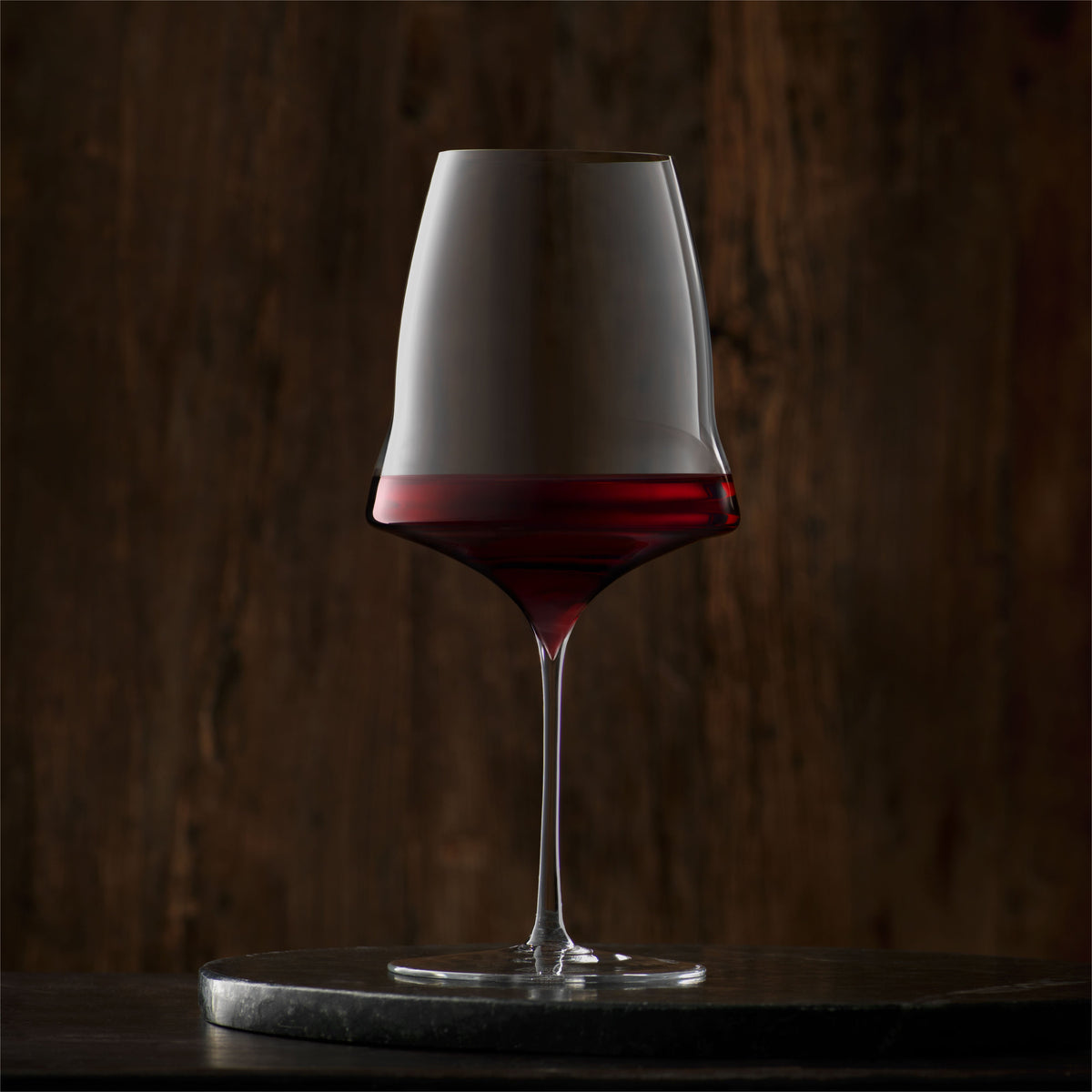
Kurt Josef Zalto created the Josephine with one goal: to let the wine show everything it has.

The iconic silhouette, defined by its distinctive kink, gives aromas room to unfold. A delicate rim brings wine to the palate with remarkable lightness. Mouth-blown and shaped by hand in Europe, each glass is one of a kind — feather-light, exceptionally fine and crafted to reveal the character of the wine within.

Designed for wine styles. Not grape varieties.

Our conviction

Designed for wine styles. Not grape varieties.

We don't design glasses around grape varieties, colours or regions. We design around wine styles and the characteristics that define them. Because the shape of a glass shapes how we experience a wine’s character — on the nose and on the palate.

The glass guides the aroma. As you swirl, the distinctive kink acts like a breakwater, increasing the wine’s surface area and encouraging aromas to unfold. The curved bowl and precisely calculated ratio of bowl to opening diameter concentrate the aromas and direct them towards the nose.

The glass shapes how taste and texture unfold. The curve of the rim guides the wine onto the palate, influencing how we experience its freshness, texture and depth. The exceptionally fine rim makes every sip feel immediate.

The proof

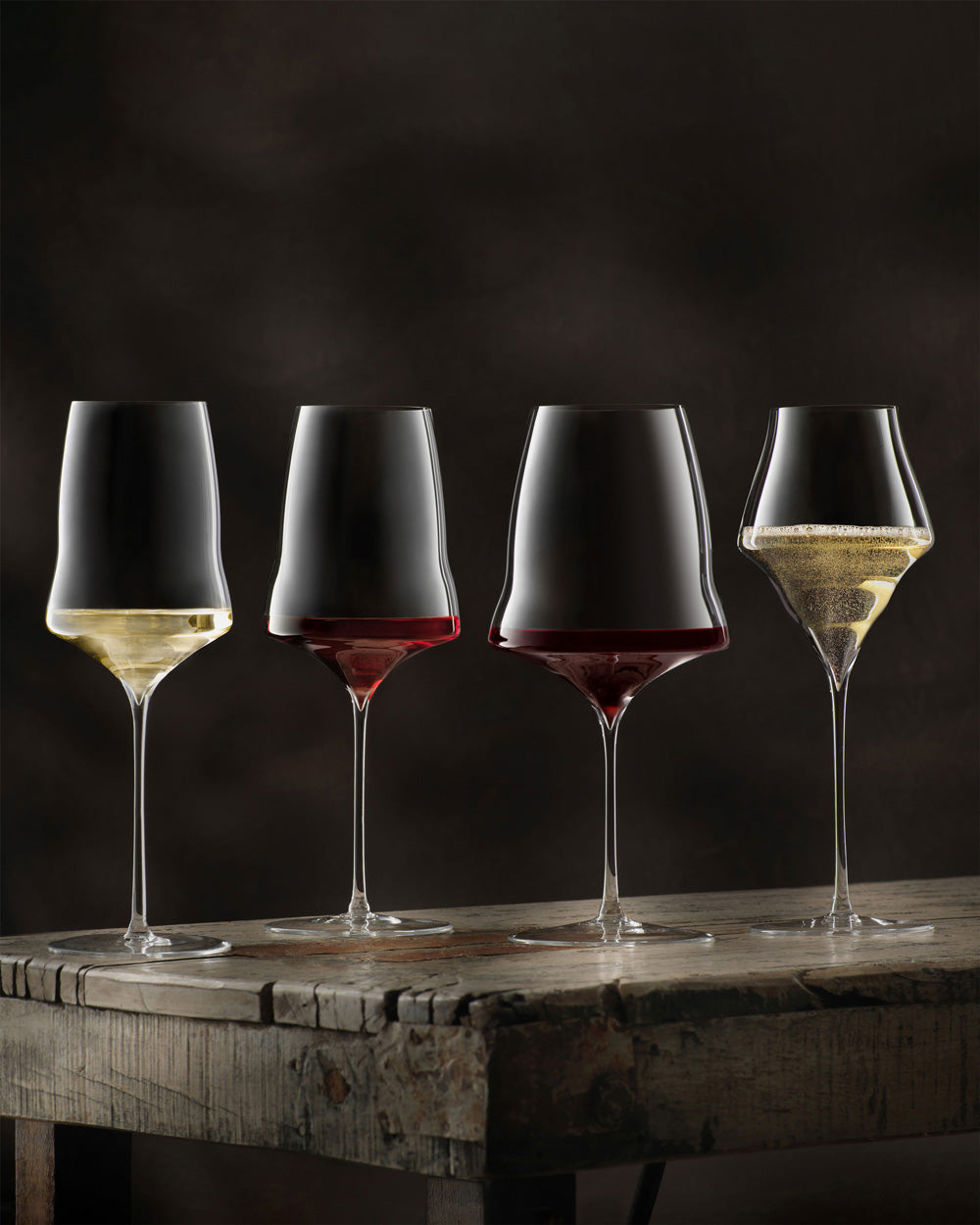
Same wine. Four glasses. Four readings.

Pour the same wine into all four glasses. The wine stays the same. Each glass reveals a different side.

The four glasses

Taste the wines you love. Differently.

Same bottles, new sides. Each Josephine brings out something your wines were holding back.

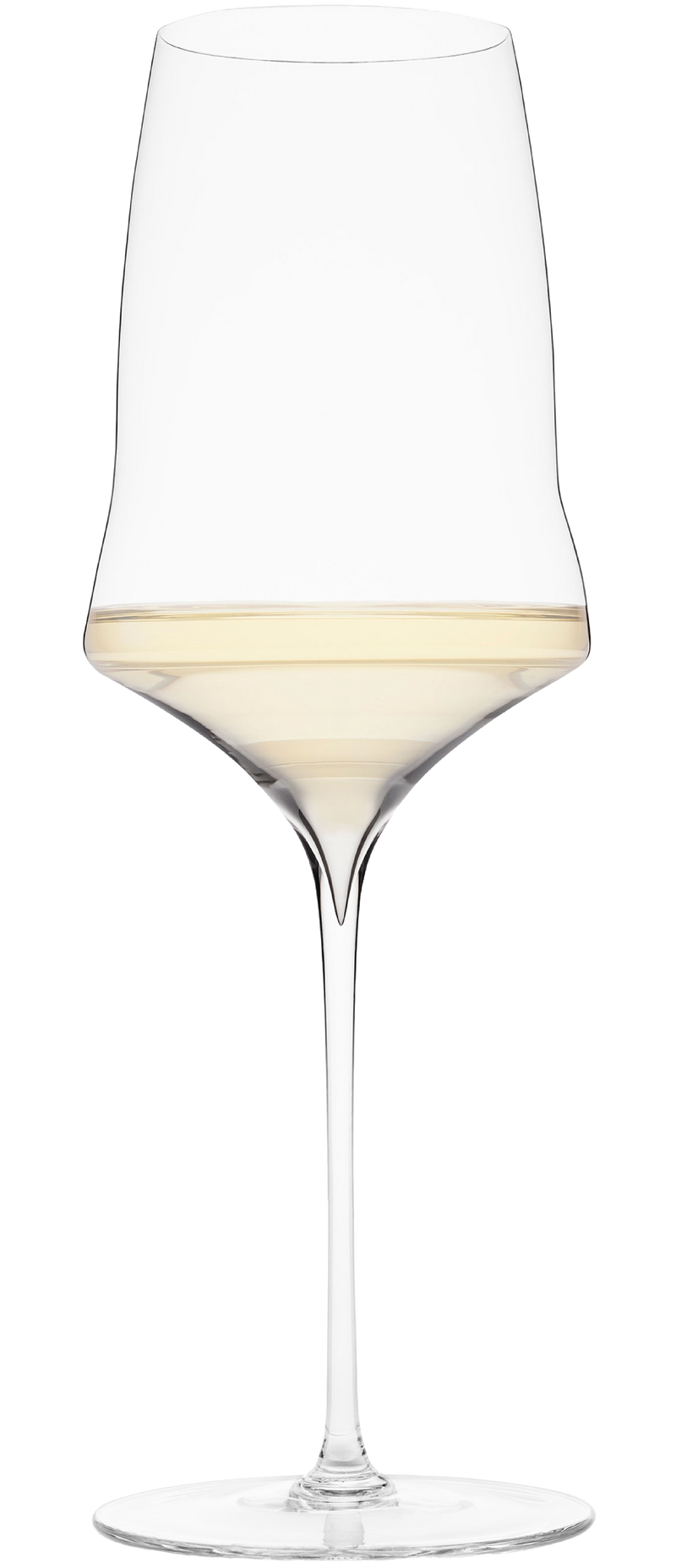
Josephine N° 1

Freshness and intensity.
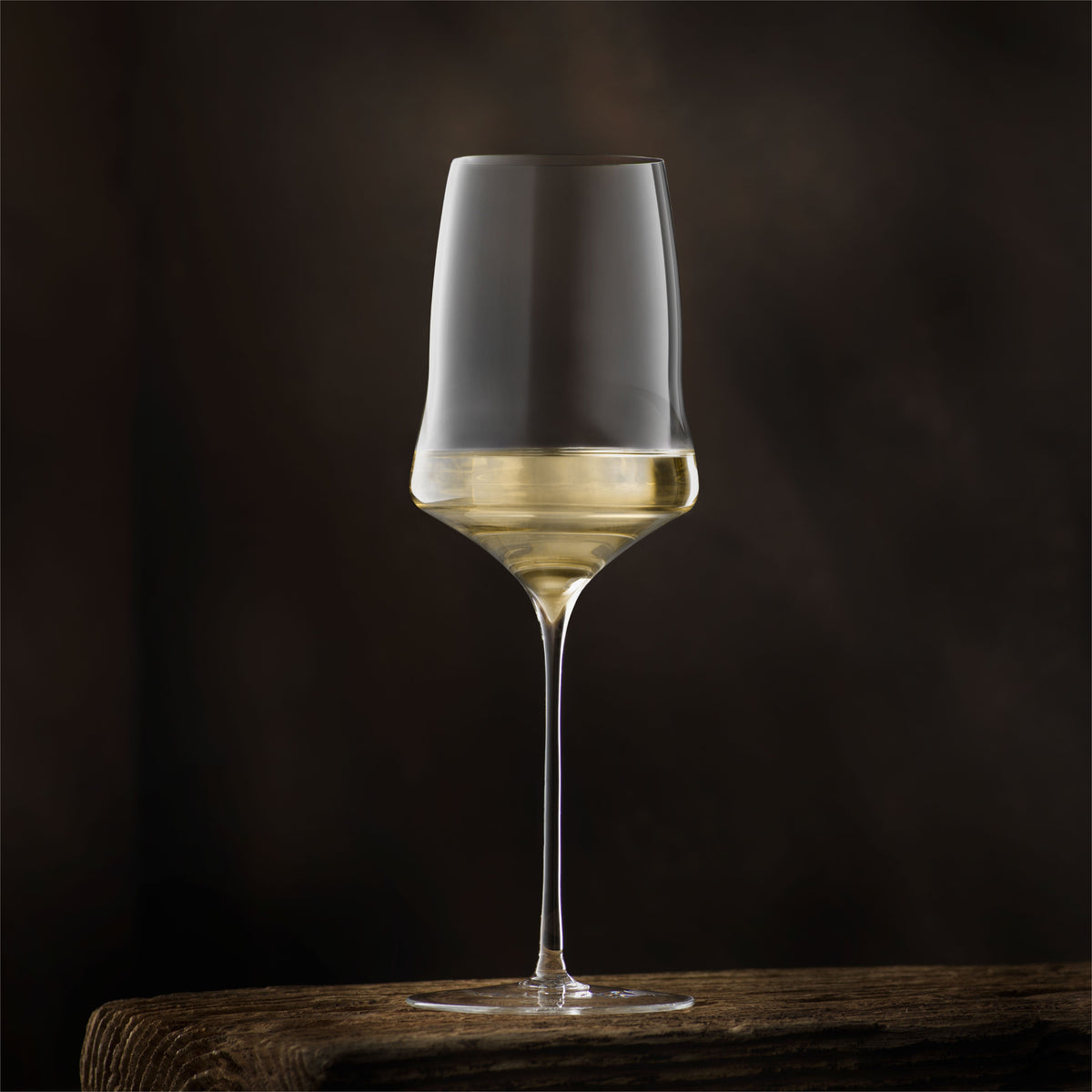
Vivid freshness · Aromatic concentration · Lively acidity

Highlights freshness, aromatic concentration and acidity. Wines often take on a denser texture, with striking intensity and vibrant palate tension. In sparkling wines, the bubbles feel softer, bringing their vinous character to the fore.

Light, crisp whites with exotic aromatics to amplify: New Zealand-style Sauvignon Blanc, or a vibrant Riesling with a touch of residual sugar.

Made for unoaked whites and sparkling. Underlines the edge of cool-climate, terroir-driven bottles, gives oaked whites a denser mouthfeel, lighter reds a velvety, juicy texture, and sweet styles a taut balance. At its best with wines of low to medium complexity.

Discover Josephine N° 1

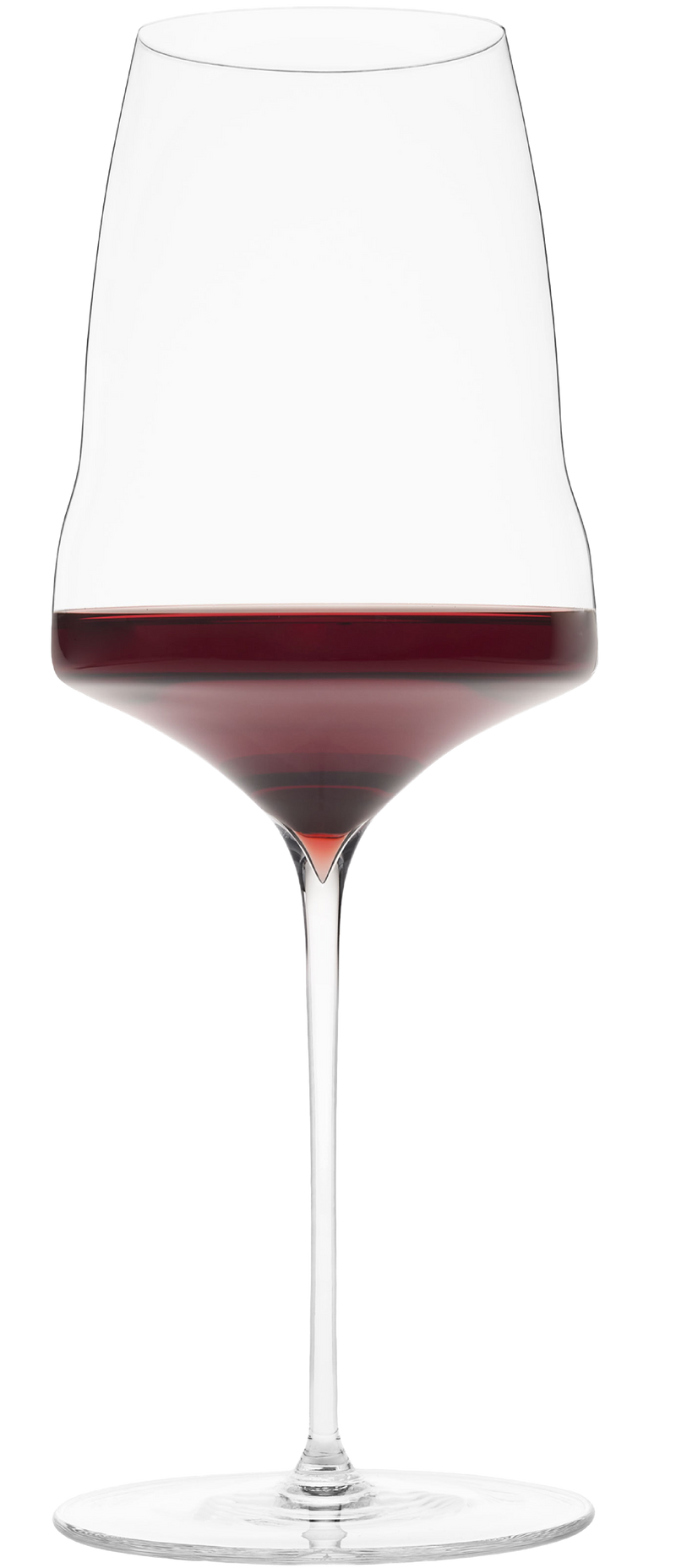
Josephine N° 2

Precision and balance.
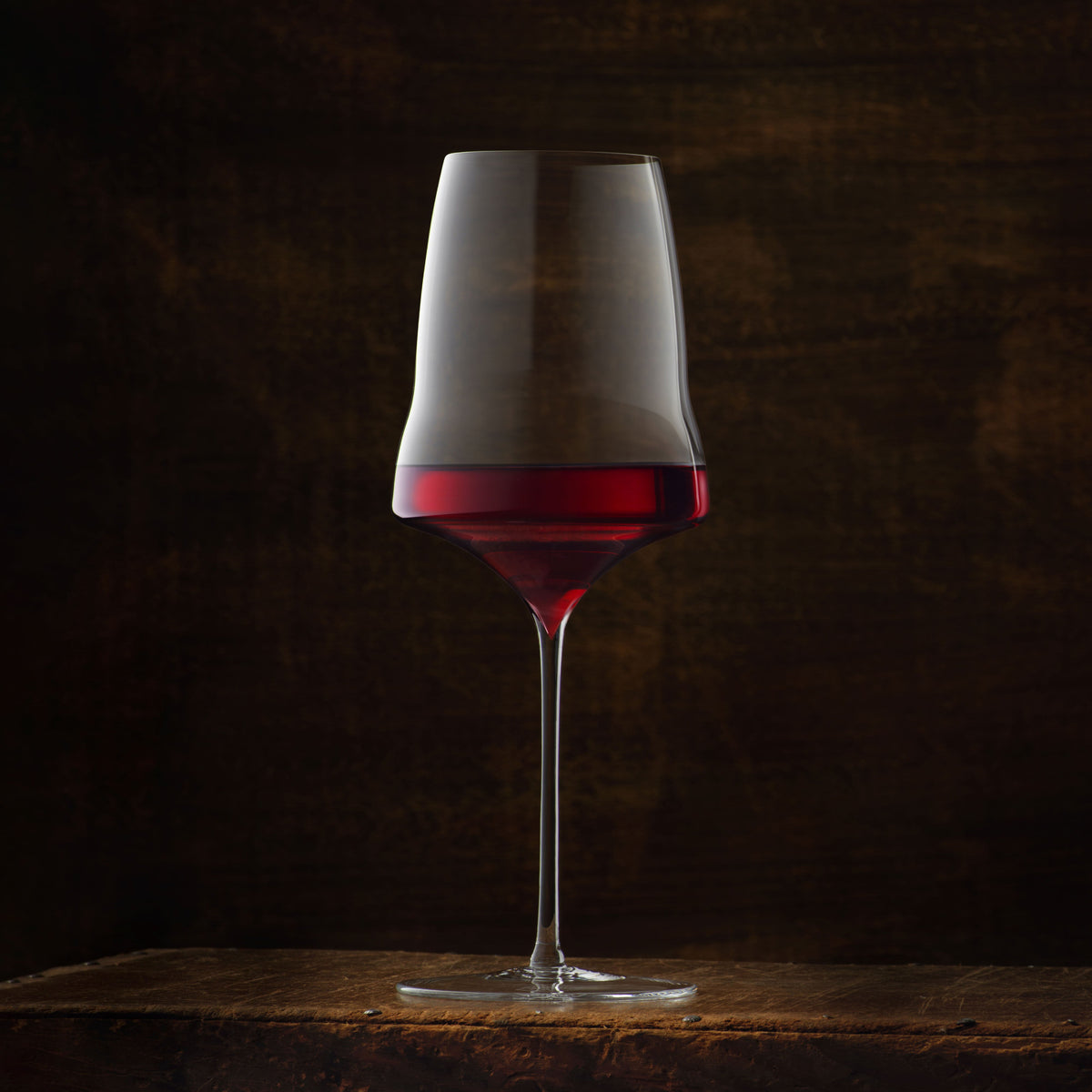
Distinct freshness · Dynamic complexity · Synergy & balance

Reveals a wine’s character with clarity and precision, bringing fruit, freshness and structure into balance. Our most versatile glass.

Youthful, structured reds, when juiciness and fruit clarity matter more than tannin-driven power. Equally at home with terroir-led whites, vinous grower Champagne and nuanced lighter reds.

Premium Riesling, Grüner Veltliner, Chenin Blanc, Loire Sauvignon Blanc, top Aligoté and Chablis gain lift and a beautifully poised feel. Oaked whites turn brighter and livelier, heavier reds softer and less astringent, traditional-method sparkling more vinous. Suited to medium and even highly complex wines.

Discover Josephine N° 2

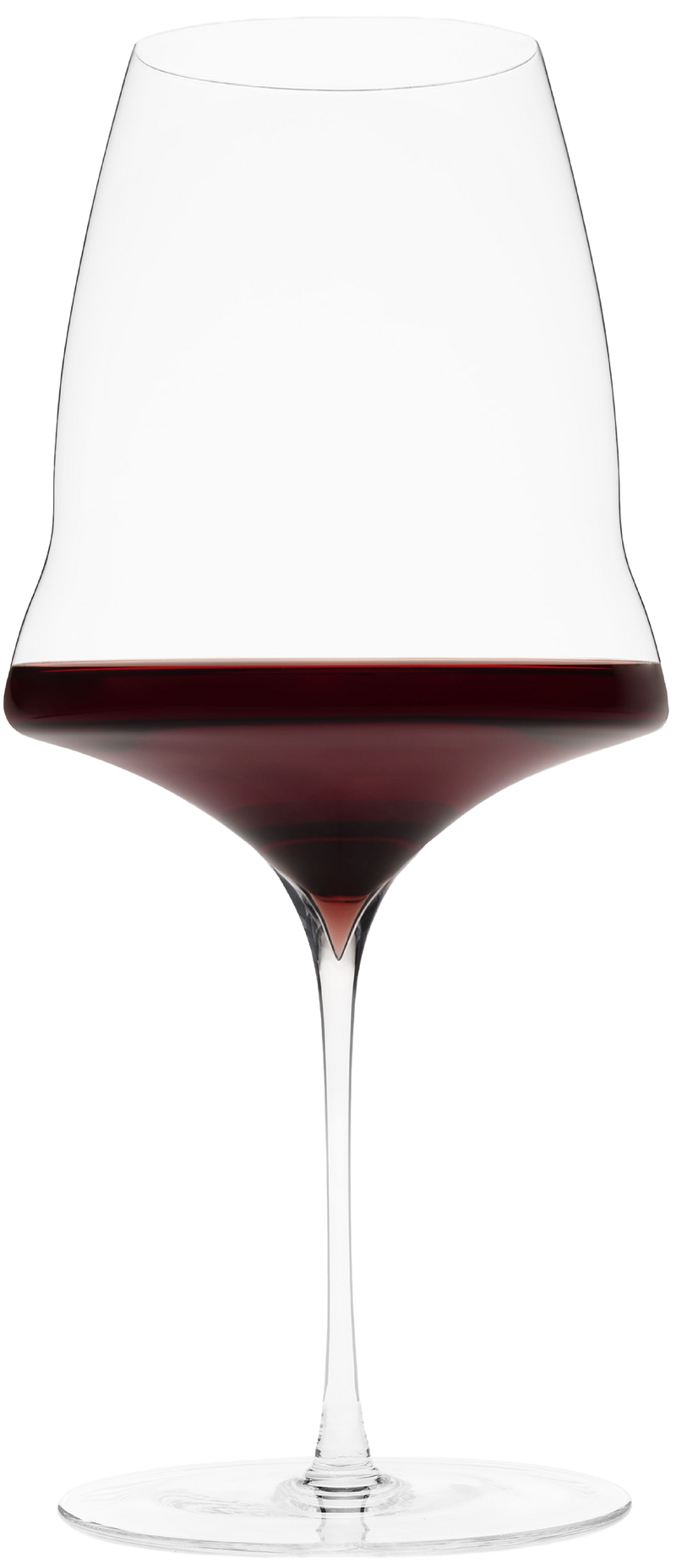
Josephine N° 3

Complexity and depth.

Complexity · Depth · Flavour intensity

Reveals complex wines in all their layers, red or white. Emphasises tertiary aromas and a more viscous mouthfeel. Our most distinctive glass, built for highly complex wines.

Iconic bottles, whatever the colour or grape: premium Burgundy, high-end Bordeaux, the great names of Napa Valley or Ribera del Duero, an exceptional Chenin Blanc or Riesling, a top grower Champagne in a more oxidative style.

Mature, structured reds and barrique-aged whites; racy, high-acid, terroir-driven whites such as Chablis; top-shelf sparkling. Manages oak and tannin so that tension and finish come through, and gives lighter-extracted reds a more “intellectual” read than the N° 2.

Discover Josephine N° 3

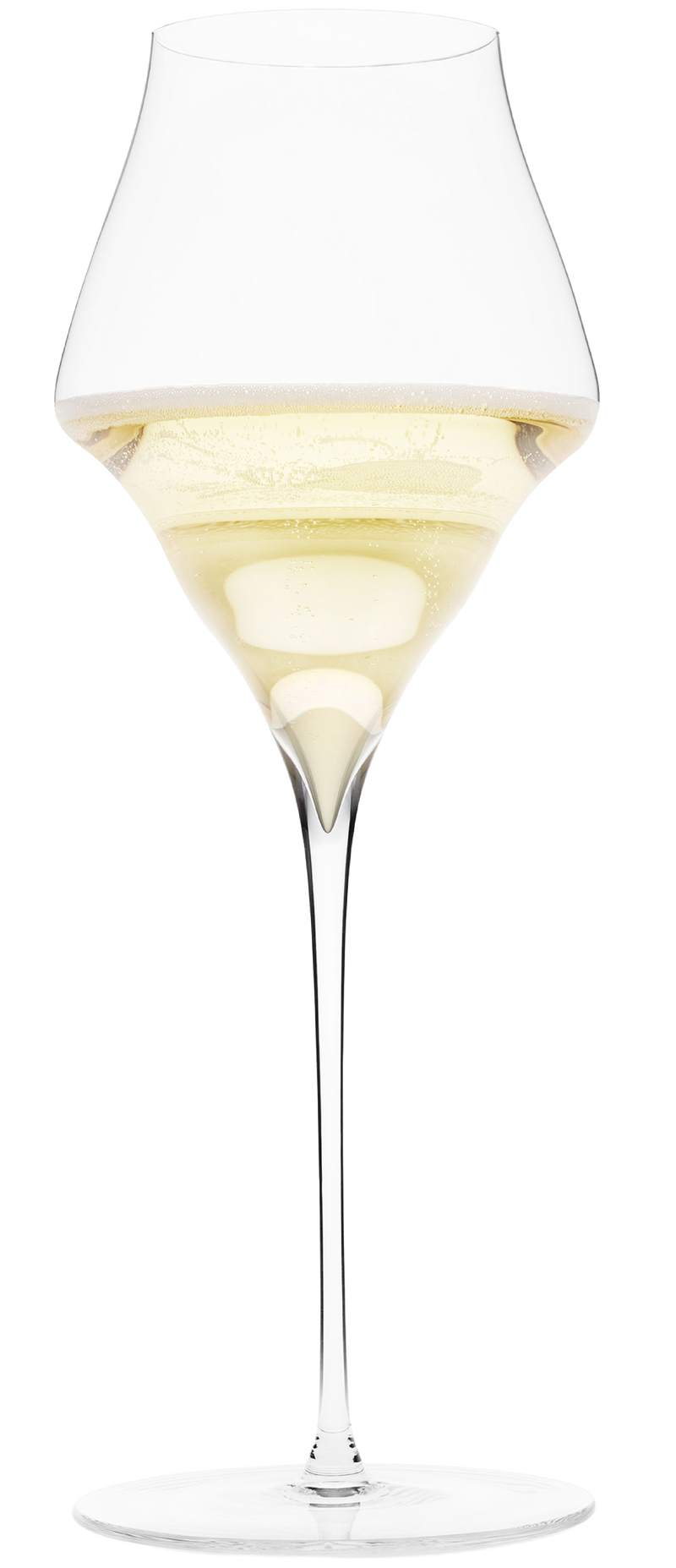
Josephine N° 4

Pleasure and freshness.
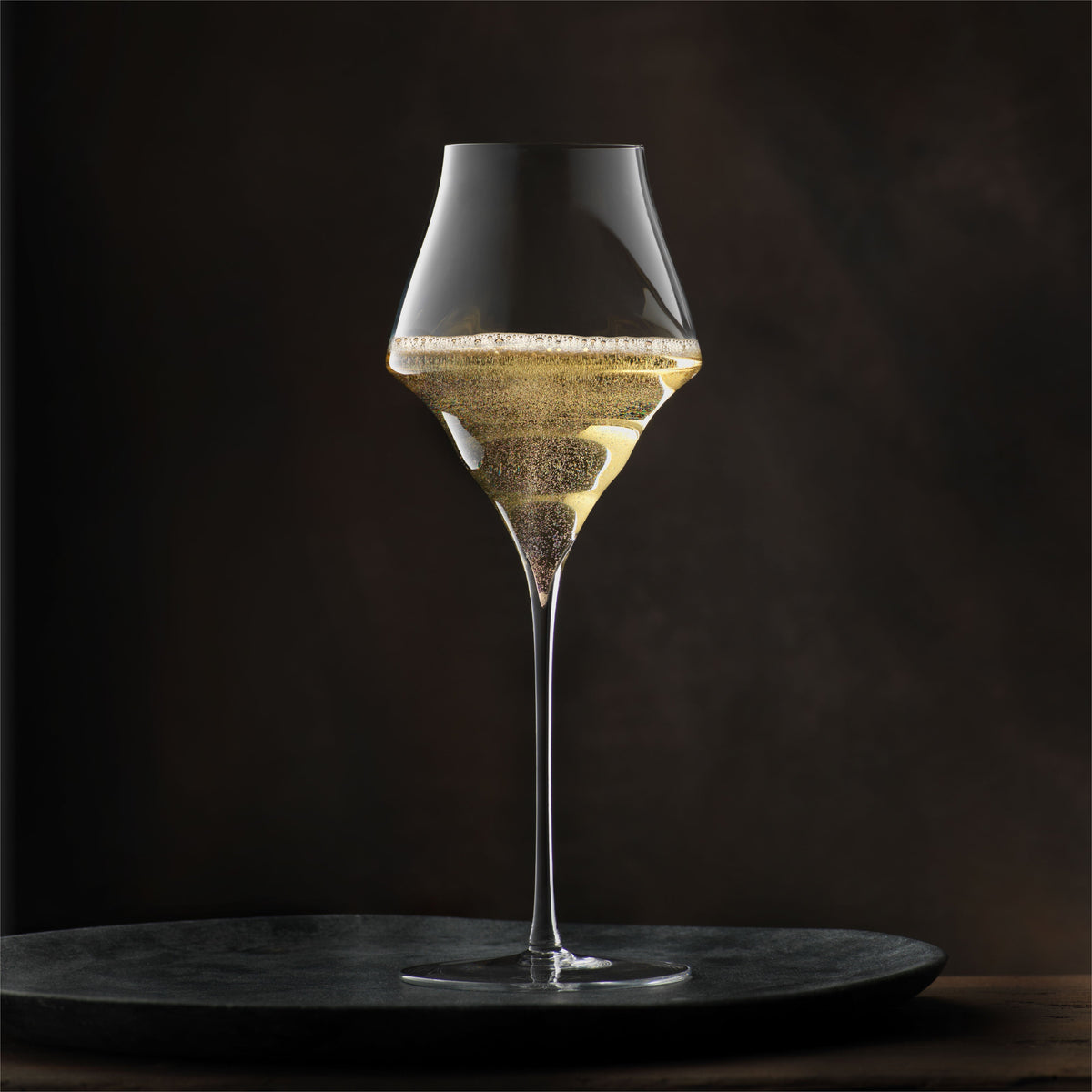
Fruit purity · Distinct freshness · Easy drinkability

Focuses on a wine's inner character and makes it open and easy to read. Refines the perlage: finer bubbles, a longer-lasting bead, and even serious Champagnes stay vibrant.

Pour a complex grower Champagne and look for the autolytic notes: brioche, baked bread, cookie dough. The mousse turns fine and creamy, and the sparkle lasts longer.

Traditional-method sparkling above all. Also highlights flinty, reductive notes in terroir-driven whites and primary aromas in unoaked whites and lighter reds, and shines with high-acid sweet styles such as Riesling Kabinett or Spätlese.

Discover Josephine N° 4

Which glass for which wine

Start with the wine. Then choose what to hear.

Every style works in more than one glass. The table shows what each one brings forward.

Wine style
Fruit-driven whitesFreshness and concentrationMore precision and nuance, more restrained fruit—Primary fruit, very approachable
Terroir-driven whitesPronounces their edginessFreshness and precision, beautifully balancedAdds depth to wines with substance; young, lean wines can feel austere and less cohesive.Accentuates their linearity and reductive notes.
Oaked whitesDense mouthfeel and wood influenceBrighter, livelier, more balancedOak in all its facets, with clarity and freshness—
Sparkling winesSofter perlage, more vinousVinous character, tertiary aromasVinous depth, oxidative characterFine mousse, even complex grower Champagne stays approachable
Lighter redsSoft, velvety, juicyFresh fruit, subtle spice, juicy textureMore layers, more nuance, more structureFruit-forward, easily accessible
Heavier, oaked reds—Energetic and approachableFull potential: depth, tension, finish—
Sweet winesTension between sweetness and acidityMore balance and nuance—Shines with high-acid styles like Kabinett or Spätlese
Wine styleFruit-driven whitesTerroir-driven whitesOaked whitesSparkling winesLighter redsHeavier, oaked redsSweet wines
N° 1IntensityFreshness and concentrationPronounces their edginessDense mouthfeel and wood influenceSofter perlage, more vinousSoft, velvety, juicy—Tension between sweetness and acidity
N° 2BalanceMore precision and nuance, more restrained fruitFreshness and precision, beautifully balancedBrighter, livelier, more balancedVinous character, tertiary aromasFresh fruit, subtle spice, juicy textureEnergetic and approachableMore balance and nuance
N° 3Depth—Adds depth to wines with substance; young, lean wines can feel austere and less cohesive.Oak in all its facets, with clarity and freshnessVinous depth, oxidative characterMore layers, more nuance, more structureFull potential: depth, tension, finish—
N° 4PleasurePrimary fruit, very approachableAccentuates their linearity and reductive notes.—Fine mousse, even complex grower Champagne stays approachableFruit-forward, easily accessible—Shines with high-acid styles like Kabinett or Spätlese